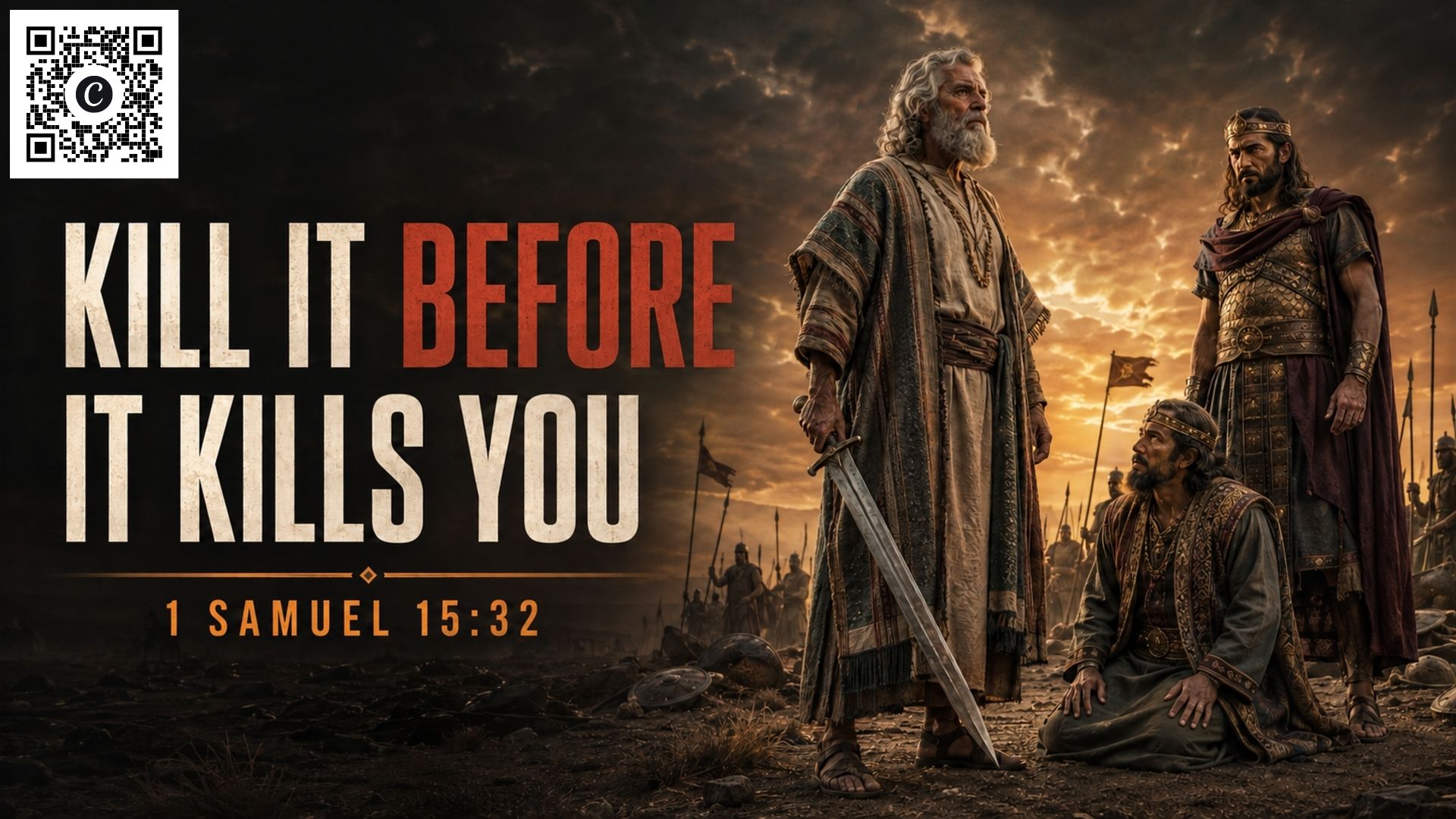
Kill It Before It Kills You
Sin rarely ruins a life all at once. More often, it happens slowly—one compromise, one excuse, and one small act of disobedience at a time.
In 1 Samuel 15, King Saul had every reason to believe he had won a great victory. The battle was over, the people were celebrating, and Saul was even preparing to build a monument to himself. From the people’s perspective, it was a great day.
The problem was that God wasn’t celebrating.
God had given Saul clear instructions, but Saul only partially obeyed. He spared King Agag and kept the best of the livestock, later claiming they could be offered as a sacrifice to God. Samuel responded with words that still confront us today:
“To obey is better than sacrifice, and to heed is better than the fat of rams.”
—1 Samuel 15:22
Saul tried to offer God the appearance of worship while withholding the obedience God had asked for. But religious activity cannot compensate for disobedience. We cannot give God something of our choosing while refusing to surrender the very thing He has asked of us.
Sin Begins with a Small Compromise
Saul did not wake up one morning and decide to throw away his calling, his kingdom, and his relationship with God. His decline began with smaller compromises. He feared the opinions of people more than he feared God. Pride crept into his heart. He began taking credit for victories that belonged to others—and ultimately to the Lord.
That is often how sin works in us. It begins with a thought we entertain, a conversation that goes too far, a small act of dishonesty, or a habit we excuse because it does not yet appear destructive.
But partial obedience is still disobedience.
Compromise Slowly Desensitizes Us
Every compromise makes the next one easier to justify. Things that once troubled our conscience begin to feel normal. We stop asking, “How close can I stay to God?” and begin asking, “How close can I get to the edge without falling?”
That is a dangerous way to live.
Saul eventually became almost unrecognizable. The king who once removed witchcraft from the land ended his life seeking guidance from a medium. The very thing he once opposed became part of his downfall.
Sin grows when it is allowed to remain. What begins as a foothold can become a stronghold.
Sin That Is Not Taken Out Will Take You Out
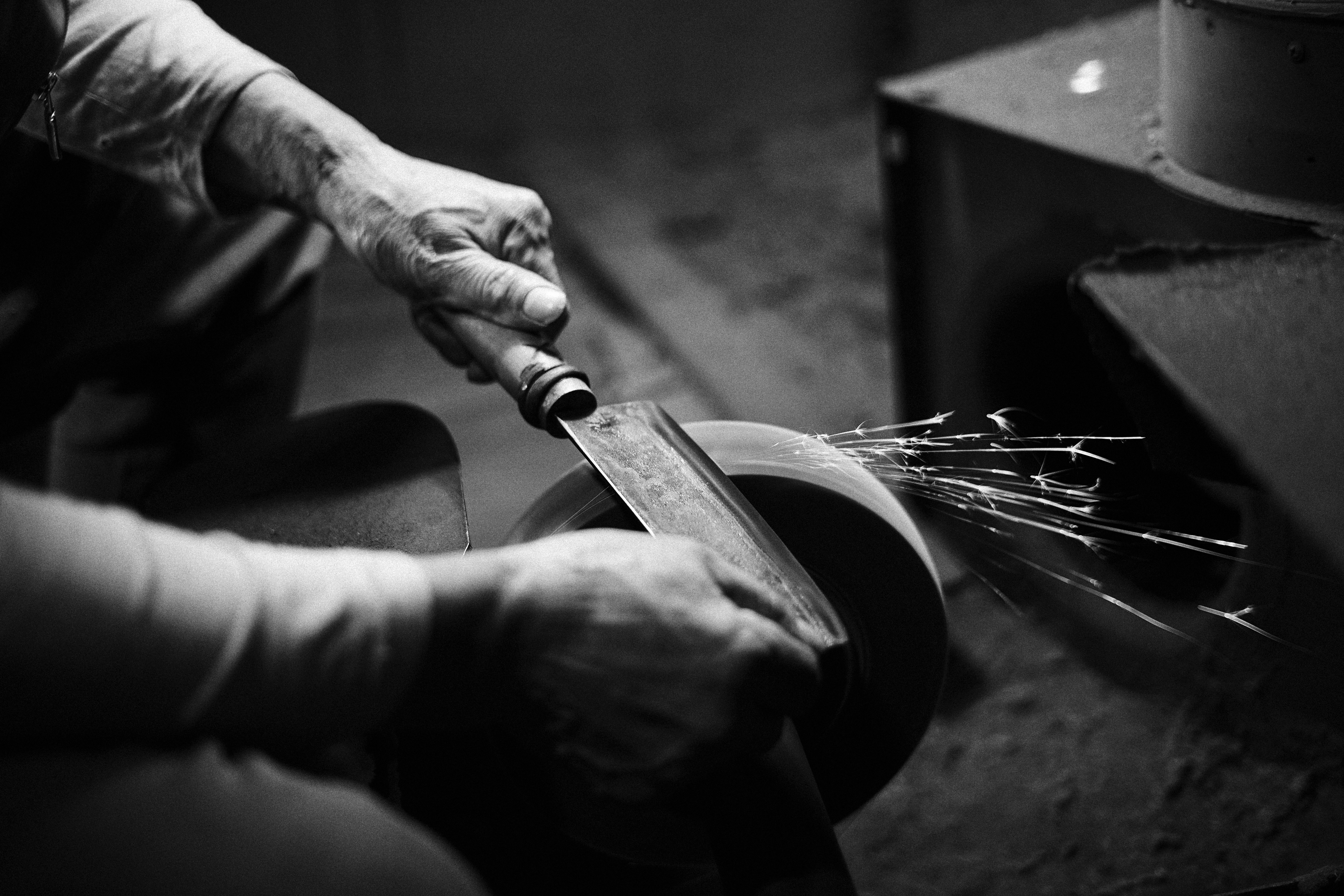
Saul spared Agag when God had commanded otherwise. Samuel eventually did what Saul had refused to do. It is a graphic moment in Scripture, but it gives us a powerful picture: sin must be dealt with decisively.
The New Testament gives followers of Jesus the same instruction:
“If by the Spirit you put to death the misdeeds of the body, you will live.”
—Romans 8:13
We are not called to manage sin, hide it, rename it, or keep it under control. We are called to put it to death through the power of the Holy Spirit.
As 17th Century theologian John Owen famously warned,
We must be killing sin—or sin will be killing us.
God Offers a Fresh Start
This message is serious, but it is not hopeless.
No matter how far someone has wandered, there is still an opportunity to turn back to God. Repentance means more than feeling badly about consequences. It means agreeing with God about our sin, confessing it honestly, turning away from it, and walking in a new direction.
Some earthly consequences may remain, but failure does not have to be the final chapter. Jesus paid for our sin at the cross, and His resurrection power can bring life into places that appear completely broken.
There is no sin so small that it does not need to be confessed—and there is no sin so great that Jesus cannot forgive it.
What have you been excusing, hiding, or allowing to remain? Bring it into the light. Confess it to God. Invite trusted believers to pray with you and hold you accountable. Stop walking down the road that leads away from God.
“To obey is better than sacrifice.”
Do not wait until a compromise becomes a stronghold. Through the power of the Holy Spirit, kill it before it kills you—and live free.