What does power look like?
Maybe you picture a political leader, a successful businessperson or someone with enough money and influence to make things happen. I tend to picture something mechanical—a large jet engine producing enough thrust to carry hundreds of people across the world.
Whatever image comes to mind, it probably isn’t a cross.
Today, the cross is often worn as jewellery or displayed as a religious symbol. In the first century, however, it represented humiliation, suffering and death. Rome used crucifixion to demonstrate what powerful people could do to powerless people.
That is what makes the Christian message so surprising. The apostle Paul wrote:
“Christ the power of God and the wisdom of God.”
— 1 Corinthians 1:24
Christianity claims that God’s power is most clearly revealed through Jesus giving Himself away on a cross.
That turns our usual definition of power upside down.
The Need to Control
We often think power means controlling the outcome, protecting our reputation, defeating our opponents or proving that we were right.
We may never describe ourselves as powerful, but most of us understand the desire for control. We want to control how people see us. We want situations to work out according to plan. We want to decide how much weakness anyone is allowed to see.
The cross presents another possibility:
You do not have to control everything to trust the One who is Lord over everything.
Jesus did not save the world by overpowering His enemies. He saved the world by giving Himself for them. He possessed power, but He did not use it to elevate Himself over others. He used it to serve, forgive and save.
That is humility.
Humility is not pretending you have nothing to offer. It is refusing to use what you have to prove that you are better than someone else.
Perhaps the clearest evidence of power under control is humility.
Something to Offer and Nothing to Prove
The ancient city of Corinth was obsessed with reputation, social status, public speaking and personal connections. Unfortunately, those values followed people into the church.
Paul reminded them that God regularly works through people the world overlooks:
“God chose the weak things of the world to shame the strong…so that no one may boast before him.”
—1 Corinthians 1:27–29
This does not mean intelligence, education, leadership or success are bad. The issue is what we use them to prove.
None of our achievements makes us more deserving of God’s love. None of our failures places us beyond the reach of His grace.
That means we can stop measuring our worth through comparison.
Humility says, “I have something to offer, but I have nothing to prove.”
We can offer our best without confusing our best with God’s power. We can acknowledge our abilities without believing they make us more valuable than someone else. We can admit weakness without believing it makes us worthless.
What Has Power Over You?
The cross does more than give Christians a different idea about power. It breaks the hold of the things that once defined us.
Because of Jesus, shame does not have to name us. Success does not have to measure us. Other people’s approval does not have to control us. Failure does not have to get the final word.
Jesus did not go to the cross because humanity needed better advice. He went because we needed to be rescued from the sin, shame and brokenness we could not overcome ourselves.
He took our sin.
He carried our shame.
He died our death.
Christians believe He rose again in victory.
That is why the cross is not the absence of God’s power. It is the revelation of God’s power.
Perhaps you are not sure what you believe about Jesus. That is an honest place to begin. But the cross invites all of us to reconsider what strength, success and power really look like.
What if real power is not found in proving ourselves?
What if it is found in surrender?
What if the strongest thing we can do is stop trying to impress everyone, receive the grace of Jesus and begin using whatever influence we have to serve?
The world may call the cross foolish. The world may call it weak.
But the cross changes what power looks like.
Take a step of faith and make a decision to follow Jesus.
Watch the Live message Here
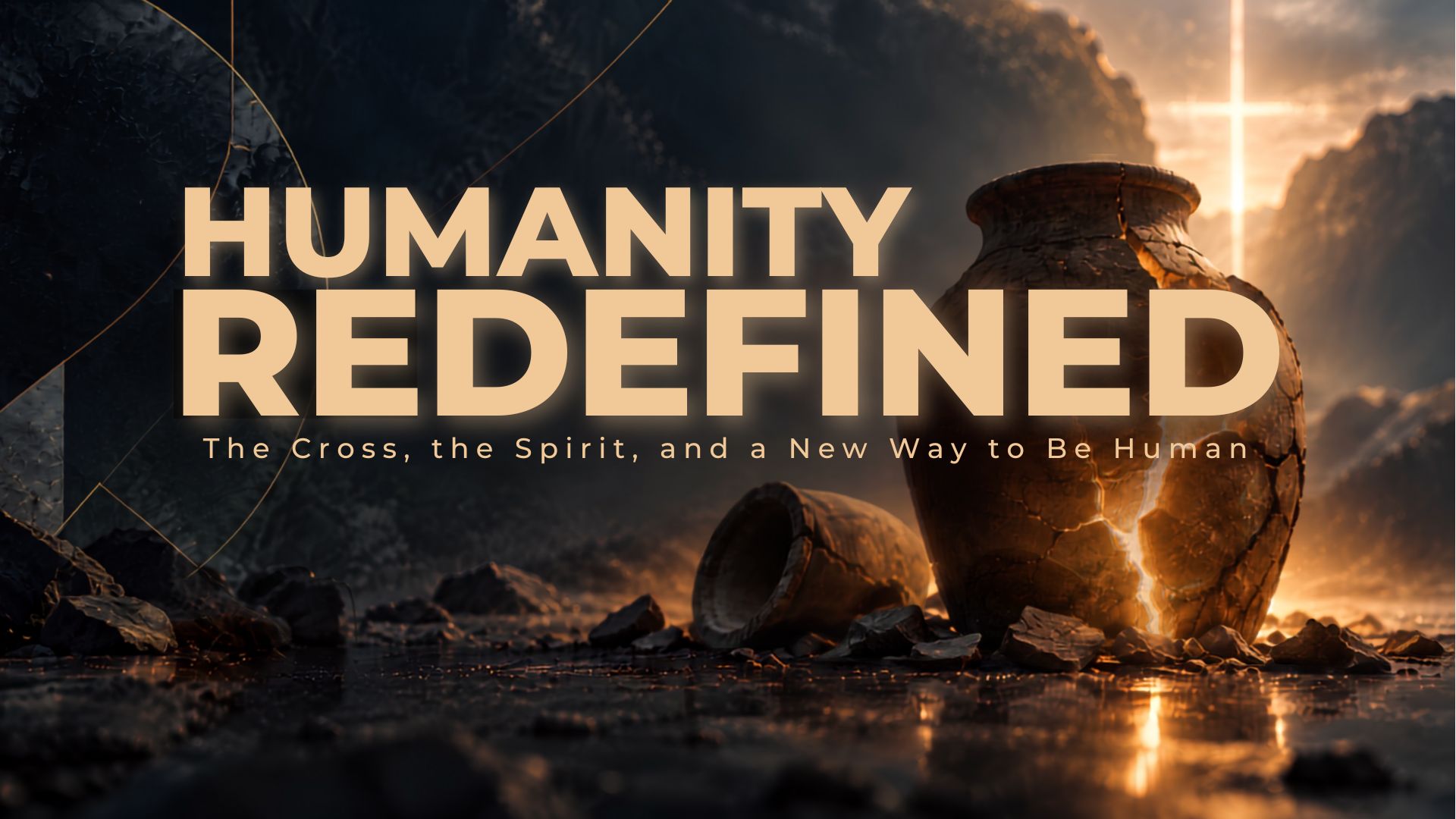
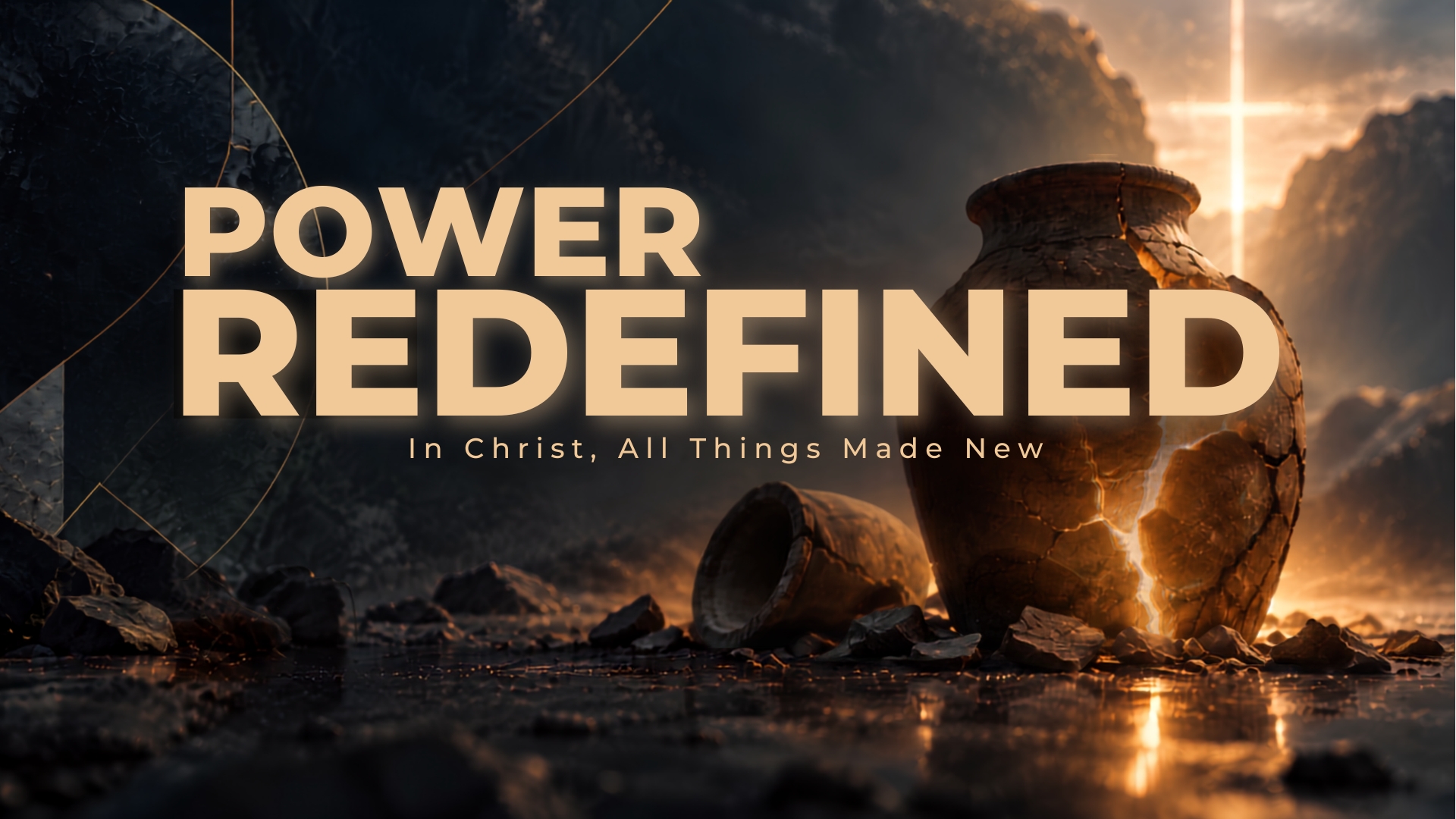
Power Redefined
What does power really look like? In Week 2 of Redefined, Pastor Gary explores Paul’s message to the Corinthians that God’s power does not look like dominance, status or human impressiveness—it looks like Jesus giving Himself away on the cross. Power Redefined reveals how Christ crucified overturns our definitions of strength and success, produces genuine humility, and frees us from the need to control, compare or prove ourselves. True power is found in surrendering to Jesus, serving others and allowing our lives to point toward Him.